Next-Gen TV Is Already Here — Sinclair's ATSC 3.0 Bet and What It Means for Your Living Room
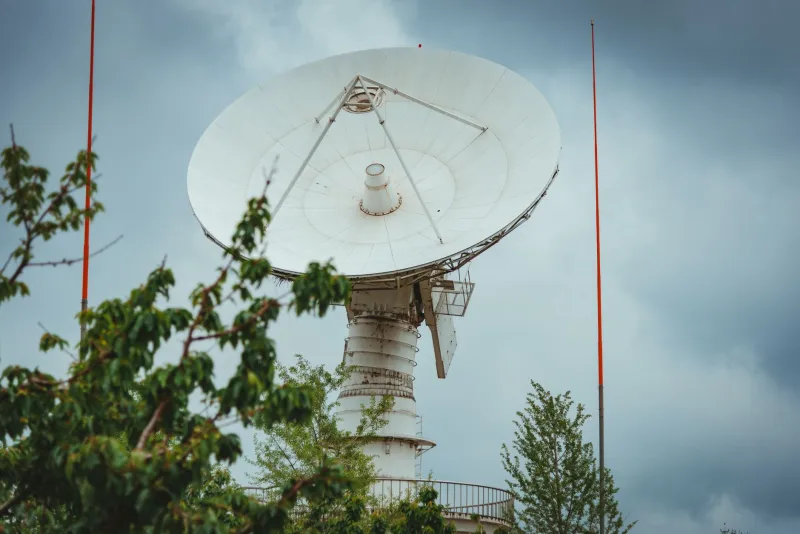
Most people don't spend a lot of time thinking about the invisible technology behind their local TV signal. You point an antenna at the wall, scan for channels, and watch the news. Simple enough. But underneath that routine, a major upgrade is underway — and Sinclair Broadcasting has been one of the loudest voices pushing it forward.
The technology is called ATSC 3.0, and if you haven't heard of it yet, that's about to change. This isn't just a minor tweak to how signals travel through the air. It's a ground-up rethink of what over-the-air TV can actually do — and Sinclair has been investing in it seriously for years.
So What Exactly Is ATSC 3.0?
Let's back up for a second. The current broadcast standard — ATSC 1.0 — has been around since the late 1990s. It replaced analog TV and gave us the crisp digital picture we're used to today. For its time, it was a huge leap. But two decades later, it's showing its age.
ATSC 3.0 (sometimes marketed under the brand name "NextGen TV") is the replacement standard. Think of it as the difference between a flip phone and a smartphone. Same basic idea — making calls, sending signals — but with a completely different ceiling for what's possible.
Here's what changes with ATSC 3.0 in plain terms:
- 4K HDR video: The new standard supports full 4K resolution with high dynamic range, meaning richer colors and sharper detail than standard HD.
- Immersive audio: Dolby AC-4 and MPEG-H audio formats are baked in, which means theater-quality sound over a free antenna signal.
- IP-based delivery: This is the big one. ATSC 3.0 runs over an internet protocol foundation, which means broadcasters can layer in interactive features, personalized content, and even targeted advertising — more like a streaming platform than a traditional broadcast tower.
- Better mobile reception: The new standard was specifically engineered to work on phones, tablets, and moving vehicles. Watching live local TV on your commute, without using a single byte of cellular data, is actually part of the design spec.
- Emergency alert improvements: ATSC 3.0 can wake up compatible devices during emergencies — even if your TV is off — to push critical alerts directly to your screen.
Where Does Sinclair Fit In?
Sinclair didn't just adopt ATSC 3.0 — they helped build the coalition behind it. The company co-founded ONE Media 3.0, a subsidiary specifically created to lead their next-gen broadcast strategy. That's not a side project. That's a dedicated business unit betting real money on this technology becoming the new normal.
Through ONE Media and through partnerships with other broadcasters, Sinclair has been part of the "Pearl TV" consortium — a group of major broadcasters working together to roll out NextGen TV in a coordinated way across the country. The goal is a nationwide footprint that makes the standard worth building devices for, which in turn makes it worth investing in for broadcasters. It's a chicken-and-egg problem they're trying to solve together.
Sinclair's angle isn't purely altruistic, of course. ATSC 3.0's IP backbone opens up data and advertising possibilities that the old standard simply couldn't touch. For a company with over 180 stations, the ability to deliver more targeted, interactive content is a meaningful business opportunity.
Which Markets Are Already Getting NextGen TV?
As of now, NextGen TV is live in a growing list of U.S. markets. The rollout has been gradual, partly because it requires a technical workaround: since ATSC 3.0 isn't backward compatible with older TVs, broadcasters have to simulcast — running both the old signal and the new one simultaneously during the transition period.
Markets where NextGen TV signals are already broadcasting include major metros like Dallas, Phoenix, Las Vegas, Cleveland, Baltimore, and Nashville, among others. Sinclair stations are active participants in many of these early-launch cities. The Phoenix and Dallas markets in particular have seen significant activity, with multiple stations already transmitting in the new standard.
If you want to check whether your specific market has a NextGen TV signal available, the Pearl TV website maintains an updated market map. It's worth bookmarking if you're curious about your area.
What Do You Actually Need to Watch It?
Here's the catch most articles gloss over: your current TV almost certainly can't receive ATSC 3.0 signals, even if you have a 4K set. The tuner inside most TVs was built for ATSC 1.0. New NextGen TV-compatible sets have been hitting the market from manufacturers like Samsung and LG since around 2020, and that list is growing. If you're in the market for a new TV, it's worth checking whether it has a built-in ATSC 3.0 tuner.
If you're not ready to replace your TV, external tuner adapters are also available — though the market for those is still pretty thin. Expect more options as the standard becomes more widespread.
For now, if you're watching on an older set with a standard antenna, you're still getting the simulcast ATSC 1.0 signal. You're not missing your local channels — you're just not getting the upgraded version yet.
When Is This Actually Coming to Everyone?
Honestly? The timeline is the most complicated part of this story. The FCC has set a target of completing the transition by July 2027, at which point broadcasters would be allowed to shut off their ATSC 1.0 signals. That date has been discussed and debated, and whether it holds firm remains to be seen. Regulatory timelines in broadcasting have a long history of slipping.
What's more certain is that the rollout will continue to expand market by market over the next couple of years. The more consumers buy NextGen TV-compatible sets, the more pressure there is on broadcasters to prioritize the upgrade — and vice versa. It's a gradual ramp, not a sudden switch.
For most viewers, the practical advice is: if you're buying a new TV in the next year or two, check for ATSC 3.0 compatibility. If you're happy with your current setup, you won't lose anything in the near term. The simulcast period exists specifically to protect viewers during the transition.
Why This Actually Matters Beyond the Tech Specs
It's easy to read a list of technical features and shrug. But the bigger picture here is that ATSC 3.0 could meaningfully close the gap between free over-the-air TV and the streaming services that have eaten into broadcast audiences for years.
Interactive features, better mobile viewing, and 4K quality over a free antenna signal? That's a compelling pitch to cord-cutters who've been slowly drifting away from local TV. For Sinclair, which has built its business on local stations reaching local audiences, keeping those viewers tuned in — literally — is the whole game.
The technology is real, the investment is real, and the rollout is happening. It's just doing it the way most big infrastructure changes do: slowly, quietly, and market by market, until one day it's just the way TV works.