Flip Past the Big Names: Your Guide to Discovering Sinclair's Under-the-Radar Local Stations

When most people think about their local TV lineup, they picture the same handful of channels they've been watching for years — the NBC affiliate on channel 4, the ABC station on 7, maybe the Fox outlet somewhere in the low teens. Those are the channels that get the Super Bowl, the primetime hits, and the polished 11 o'clock news.
But if you've ever scrolled past those and wondered what lives in the upper reaches of your channel guide, you might be surprised. Sinclair Broadcasting operates well over 180 stations across the country, and a significant chunk of them aren't household names. They're the ones airing on channels like 27.2 or 45, carrying network brands you might not immediately recognize — MyNetworkTV, The CW, Antenna TV, Comet, TBD, or Stadium. And some of them are genuinely worth your attention.
This guide is for the curious viewer who wants to know what they're missing.
Why These Stations Exist in the First Place
Sinclair didn't build its portfolio by collecting only top-rated affiliates. The company grew strategically over decades, acquiring stations in mid-size and smaller markets where the big four networks were already claimed by competitors. To make those acquisitions work, Sinclair leaned into secondary network deals and independent programming — which is exactly how you end up with a Comet TV station in Tulsa or a Stadium sports channel in a mid-size Midwest city.
These aren't throwaway signals. Many of them serve distinct programming purposes that actually fill gaps the major affiliates leave wide open. A MyNetworkTV station might air syndicated wrestling, telenovelas, or classic action movies on weekend nights. A TBD affiliate could be running local lifestyle content and community-interest programming that a big NBC or CBS station would never prioritize during primetime.
Understanding why these channels exist helps you figure out what they're good for.
How to Actually Find Them in Your Market
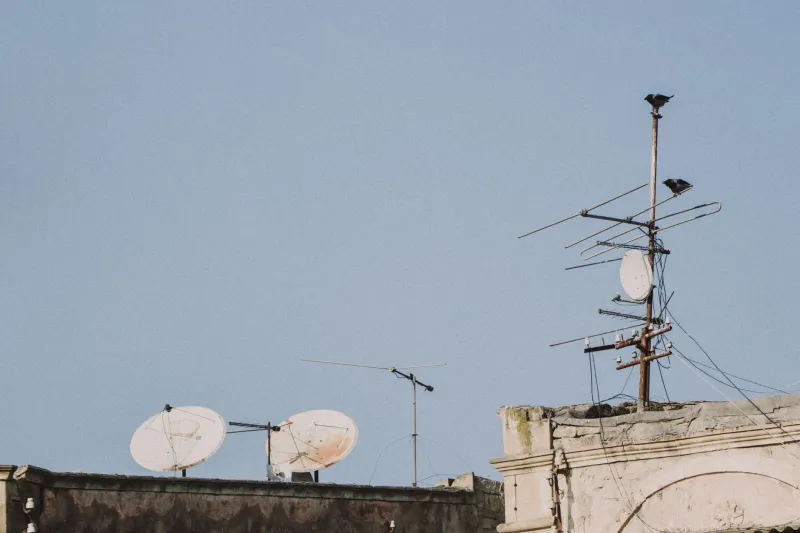
The simplest starting point is your TV's channel scan function. If you're using an antenna — and especially if you haven't rescanned in a while — run a fresh scan and see what shows up. Digital broadcasting allows stations to run multiple sub-channels off a single broadcast signal, so a station you thought was just channel 22 might actually be 22.1, 22.2, and 22.3, each carrying different programming.
From there, head over to the TVFool or RabbitEars databases (both free, both genuinely useful) and plug in your zip code. You'll get a breakdown of every over-the-air signal in your area, including which ones are Sinclair-operated. Cross-reference that with Sinclair's own station finder at sbgi.net and you'll have a pretty complete picture of what's available to you.
If you're a cable or satellite subscriber, check your provider's channel lineup online and search by call letters. Sinclair stations often show up in the expanded basic tier or in the local channels bundle, and the lesser-known ones sometimes get buried deep in the guide where most people never scroll.
What Makes These Stations Worth Watching
Let's be honest — not every sub-channel is appointment television. Some of them are running infomercials at 2 a.m. and decades-old syndicated reruns during the day. That's just the reality of secondary broadcast channels with tighter budgets.
But here's the thing: the good stuff is genuinely good, and it's often stuff you can't easily find anywhere else.
Niche sports coverage is probably the biggest draw. Sinclair's Stadium network, which airs on a number of its owned stations, is a legitimate destination for college sports, minor league baseball, arena football, and regional athletic events that ESPN and Fox Sports simply don't have room for. If you follow a mid-major college program or a local professional team that doesn't get national love, Stadium might be airing their games when nobody else is.
Classic and cult TV is another strong suit. Antenna TV, which Sinclair distributes on several of its stations, runs a deep library of shows from the '60s through the '90s — think Three's Company, The Bob Newhart Show, All in the Family, and Diff'rent Strokes. For viewers who grew up with those shows or who just appreciate television history, it's a genuinely enjoyable programming block that streaming services rarely replicate with the same kind of linear, just-turn-it-on ease.
Local and regional content varies wildly by market, but some of Sinclair's lesser-known stations produce original programming that the flagship affiliates don't bother with. Community affairs shows, local high school sports wrap-ups, regional cooking and lifestyle programs — this is the stuff that actually reflects the specific place you live, not a national template dropped into your city.
Digging Into the Programming Schedule
Once you've identified the Sinclair stations in your area, the next step is actually figuring out when the good stuff airs. Most of these channels maintain their own websites with schedule listings, and the Sinclair-owned station group often links to them through individual station pages.
For sports specifically, Stadium's website (watchstadium.com) posts a schedule in advance, so you can plan around which games are coming up. That's especially useful if you're a fan of a team or conference that gets sporadic coverage — you might only have a few windows per month where your team is actually on, and knowing when those are in advance makes a real difference.
For general programming, the old-fashioned approach of just checking the channel for a week still works surprisingly well. These stations tend to run consistent blocks — similar content at similar times each day — so once you get a feel for the rhythm, it's easy to know when to tune in.
The Community Angle Nobody Talks About
Here's something that gets overlooked in most conversations about local TV: the smaller, under-the-radar Sinclair stations often have a tighter connection to specific communities than the big affiliates do.
A major NBC affiliate in a top-25 market is competing for the same audience as every other major media outlet in that city. Their news, their advertising, their programming choices — all of it is calibrated for the broadest possible viewership. A secondary Sinclair station in the same market operates under different pressures. It can afford to be more specific, to serve a narrower audience more deeply, whether that's Spanish-language viewers, sports fans with niche tastes, or people who just want to watch television that feels like it was made for their particular corner of the country.
That specificity has real value, even if it doesn't always translate into ratings.
Start Flipping
The honest advice here is simple: just explore. Set aside twenty minutes, grab the remote, and actually go through every channel in your lineup. Make a note of anything that surprises you. Check back at different times of day. You might find that channel 34.2 is airing a regional college basketball game on a Tuesday night, or that channel 51 runs a local community talk show on Sunday mornings that's been going for fifteen years without most of the city knowing it exists.
Sinclair's portfolio is bigger and stranger and more interesting than most viewers realize. The flagship stations get all the attention, but the hidden ones are out there — and sometimes, they're exactly what you didn't know you were looking for.