Behind the Anchor Desk: How Sinclair's Consolidation Has Quietly Reshaped Your Local Newsroom
Maybe you've noticed it but couldn't quite put your finger on it. The set looks sleeker — or maybe just emptier. The sports guy you watched for years isn't there anymore. The weather segment feels a little more... generic. If you've been watching your local Sinclair-owned station for a while, there's a decent chance your gut is telling you something has shifted. And honestly? Your gut is right.
Over the past several years, Sinclair Broadcast Group has rolled out a consolidation strategy that's done a lot more than shuffle corporate org charts. It's physically changed what local newsrooms look like, how they're staffed, and what actually ends up on your screen at 6 p.m. We dug into what's different, talked to people who've worked inside these buildings, and put together a viewer's guide to understanding the newsroom you're watching right now.
The Old Newsroom: Organized Chaos with a Lot of Bodies
If you toured a mid-sized local TV newsroom back in 2018 or 2019, you'd have walked into something that felt almost deliberately cluttered. Rows of desks stacked with papers and monitors. A dedicated weather center taking up a serious chunk of real estate. Assignment editors barking into phones. Photographers hauling gear in and out of back doors. Producers arguing over rundown order. It was loud, it was busy, and it was expensive.
The traditional local newsroom model was built around hyperlocal specialization. You had reporters who covered specific beats — city hall, courts, schools — sometimes for years or even decades. You had a full sports department that actually went to games. You had a meteorologist on staff who knew the local geography and could tell you why your specific valley always floods before the rest of the county does.
That model worked. It was also, by modern broadcasting standards, enormously costly to maintain.
What Consolidation Actually Did to the Physical Space
Here's where things get interesting for the average viewer. When Sinclair began centralizing operations more aggressively — sharing resources, combining production duties across stations, leaning into what the company calls "efficiencies" — the physical newsroom started to shrink and reorganize.
Several former Sinclair station employees described similar patterns when we asked about the changes. Weather centers, once a point of local pride and a significant studio investment, were downsized at some locations as centralized forecasting tools took on more of the workload. Sports departments — already under pressure across the industry — were trimmed significantly, with some stations folding sports coverage into general assignment duties.
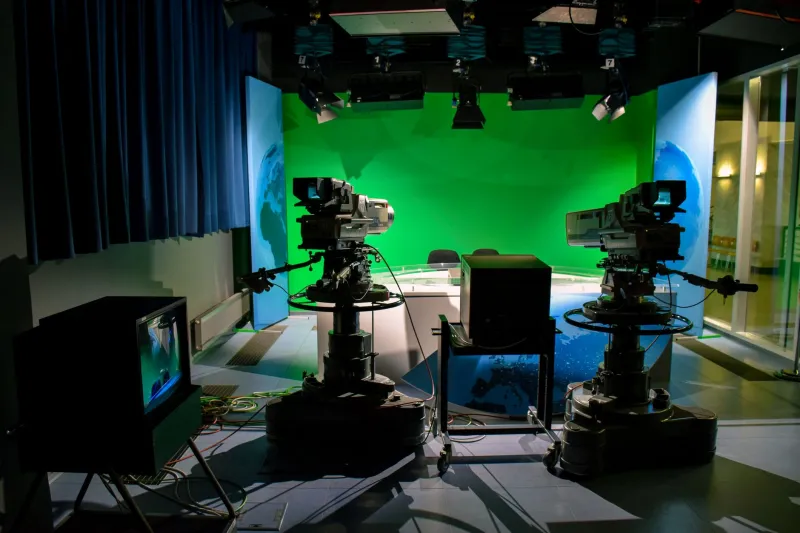
The anchor desk itself often got a refresh: newer, more modern-looking sets that photograph well on HD screens and can be operated with fewer crew members. These redesigns aren't just cosmetic. A set built for a smaller crew requires fewer cameras, fewer operators, and a more streamlined production workflow. What looks like a stylish upgrade is sometimes also a headcount reduction in disguise.
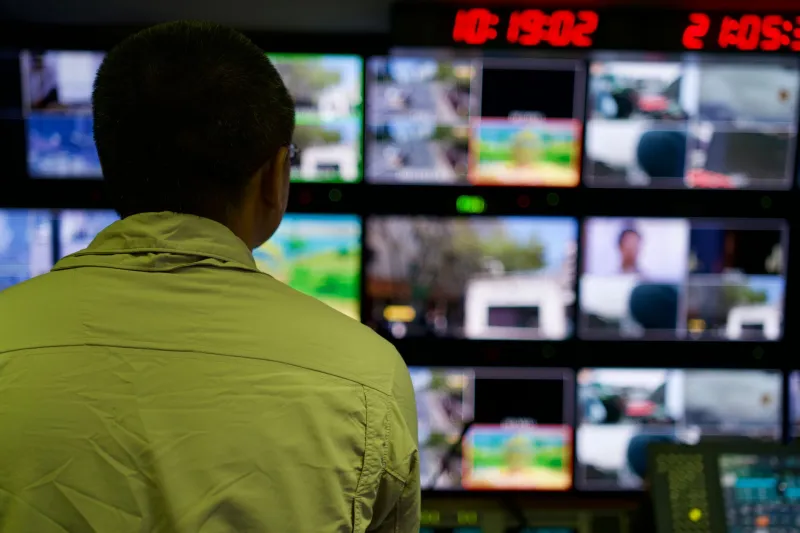
"The new set was beautiful," one former producer told us, speaking on condition of anonymity. "But we went from needing four people in the control room to needing two. That's not an accident."
Positions That Disappeared (and Why)
Let's talk specifics, because this is where viewers feel the impact most directly.
Assignment editors — the people who traditionally managed the flow of breaking news tips and directed reporters to stories — have been reduced at many stations. In some cases, this role has been partially absorbed by centralized news hubs that serve multiple markets simultaneously.
Beat reporters with long-term community relationships have been replaced, in some markets, by general assignment reporters who cover a wider range of topics with less depth. It's not that the reporting is bad — it's that the institutional knowledge that comes from years on a specific beat is harder to replicate.
Sports anchors are perhaps the most visible casualty. Dedicated sports departments at local Sinclair stations have contracted significantly. In markets where a sports anchor was once a nightly fixture, you might now see sports coverage handled by a general anchor reading highlights from a shared feed.
Studio crew positions — floor directors, camera operators, and audio technicians — have also been reduced as automation technology has taken on more of the live broadcast workload. Some stations now run portions of their broadcasts with largely automated camera systems.
What Stayed the Same (More Than You'd Expect)
Here's the part of the story that often gets lost: plenty of things haven't changed, and it's worth being fair about that.
Local reporters are still showing up to city council meetings, school board sessions, and crime scenes in most Sinclair markets. Breaking news coverage — especially anything weather-related — still gets significant resources and attention. The commitment to live, local news hasn't evaporated, even if the team producing it is leaner than it used to be.
Anchors who've been with their stations for years are, in many cases, still there. Local community partnerships, charity drives, and public service segments remain a consistent part of the broadcast mix. And in markets where Sinclair has invested in updated technical infrastructure, the actual production quality of the newscast has genuinely improved.
How to Spot the Differences as a Viewer
If you want to get a sense of how much your local newsroom has changed, here are a few things to watch for during your next evening news broadcast:
- Studio headcount during toss segments. When anchors throw to weather or sports, how many people are physically in the room? A modern consolidated set often has fewer visible staff in the background.
- Segment sourcing. Listen for phrases like "our partners at" or story packages that seem to cover national topics without a local angle. These can be signs of shared content from Sinclair's centralized production arms.
- Sports coverage depth. Is there a dedicated sports anchor doing a full segment, or are highlights being read quickly by a main anchor? The latter is a common post-consolidation pattern.
- Weather presentation style. Local meteorologists tend to reference specific neighborhood geography and local landmarks. If your weather segment feels more generic, it may be drawing from centralized resources.
- Reporter variety. Track how many different reporters appear in a given week. A shrinking roster often reflects a leaner newsroom.
The Bigger Picture for Viewers
None of this means your local Sinclair station is doing bad journalism. Consolidation is an industry-wide reality, not a Sinclair-specific phenomenon — every major broadcast group has made similar moves under similar economic pressure. The advertising landscape, the rise of streaming, and the general disruption of local TV economics have forced every player to adapt.
What it does mean is that the newsroom you're watching in 2024 is a fundamentally different operation than the one that existed five or ten years ago. Understanding those changes makes you a smarter, more informed viewer — and honestly, that's kind of the whole point of what we do here at SinclairFAQ.
Next time you tune in at 6, take a closer look. You might be surprised by what you notice.